Exterior House Paint Colors for 2027: 10 Stunning Trends Taking Over Charlotte Homes
Charlotte’s exterior color palette is getting warmer for 2027, with creamy neutrals, muted greens, deeper blues, and richer accents taking more attention than the stark whites and cool grays that have dominated recent years.
The right color still depends on the house itself. Sun exposure, brick, roofing, landscaping, and existing trim can all change how a shade reads outdoors, which is why exterior colors are better judged on the home than on a small sample card.
10 Exterior House Paint Color Trends Charlotte Homeowners Will See in 2027
1. Warm Off-White
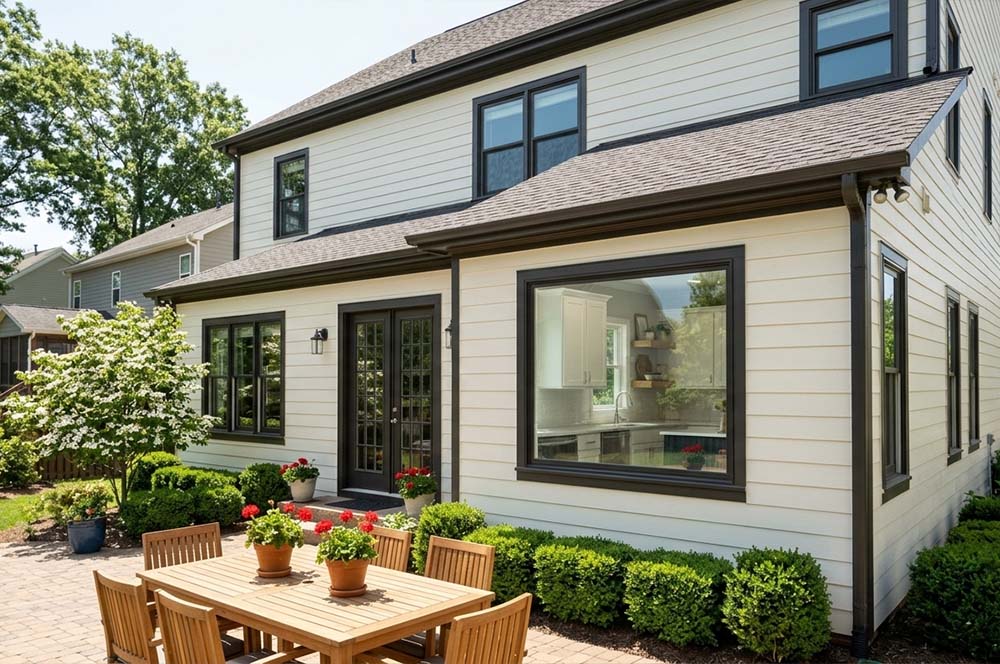
Warm off-white gives homeowners the light exterior they often want without the hard edge of a brilliant white.
On a home with red brick, dark roofing, black shutters, or a natural wood door, a creamier white can connect those elements more comfortably. It also fits a wide range of Charlotte architecture, including Colonial, Craftsman, and newer transitional homes.
The undertone still needs testing. “Warm white” can mean anything from barely creamy to noticeably yellow. This wider shift toward warm neutral paint colors in North Carolina homes is part of why softer whites are becoming more useful outdoors.
2. Earthy Taupe
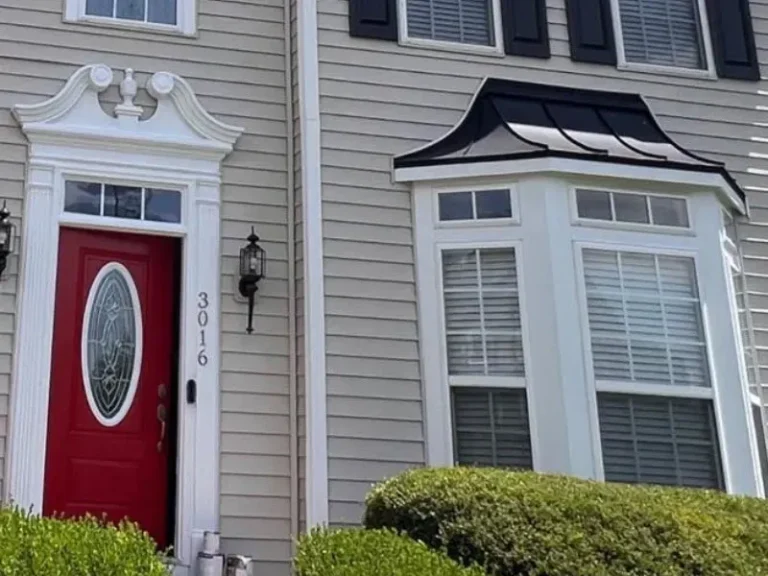
Taupe is useful because it occupies the space between gray and brown.
That makes it easier to coordinate with stone, warm brick, or brown roofing than a distinctly cool gray. On a traditional home, it can soften the exterior without making the house look as though it has been remodeled around a short-lived color trend.
A taupe that works beside gray stone may not work beside orange-red brick, so the surrounding materials should decide the undertone.
3. Soft Sage Green
Sage is one of the easier colors to imagine in Charlotte because greenery is already part of the exterior view.
A subdued green can sit comfortably beside trees, shrubs, stone, and wood rather than competing with them. It is especially well suited to Craftsman homes and cottages where natural materials are already visible.
The risk comes from choosing a green that is too saturated. Muted sage behaves much more like a neutral.
4. Muted Blue-Gray
Blue-gray can be handsome outside, but it is one of those colors that deserves a large test area before anyone buys gallons of paint.
Open sky and direct light may pull more blue from the color than a small swatch suggests. A quieter blue-gray, particularly one with a little green or warmth in it, can be easier to control.
It can work well on Colonial, contemporary, and coastal-influenced exteriors, especially with softer cream trim instead of stark white.
5. Deep Charcoal
Charcoal gives a home a bold look similar to black, but it can feel a little softer as the light changes.
It can work across the whole exterior, but many homeowners use it on shutters, garage doors, trim, or other accent areas. Dark colors can also make cracks, uneven surfaces, and other flaws easier to notice.
Before using charcoal across a whole house, compare it with the roof and observe the façade in full sun as well as shade. Charlotte’s heat, humidity, and changing weather can also affect when an exterior should be painted, so timing exterior painting around local weather is worth considering alongside the color itself.
6. Rich Espresso Brown
Brown is coming back in richer, darker shades that feel more modern than the medium browns used on older homes.
Espresso brown works especially well with lighter details such as cream trim, warm stone, or natural wood. These accents keep the exterior from looking too dark or heavy.
It is a good choice for homeowners who want a deep exterior color but do not want to use black or charcoal.
7. Clay and Terracotta-Inspired Neutrals
Clay-inspired colors bring warmth without needing to look orange.
Muted terracotta, adobe, or cinnamon-beige can make sense alongside brown roofing, brick, stone, and natural landscaping. Compared with conventional tan, these shades usually have more visible depth and a stronger earthy undertone.
This is an area where the exact color is more useful than the trend label.
8. Creamy Beige
Beige is not especially dramatic, and that is part of its usefulness.
Current versions tend to look softer and less yellow than the beige palettes many homeowners associate with older suburban exteriors. On homes with brown, bronze, warm gray, or brick details, creamy beige can create a soft, balanced look without drawing too much attention.
9. Heritage Blue
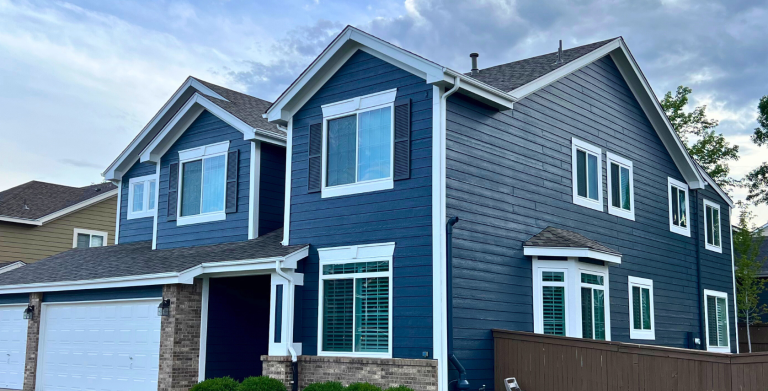
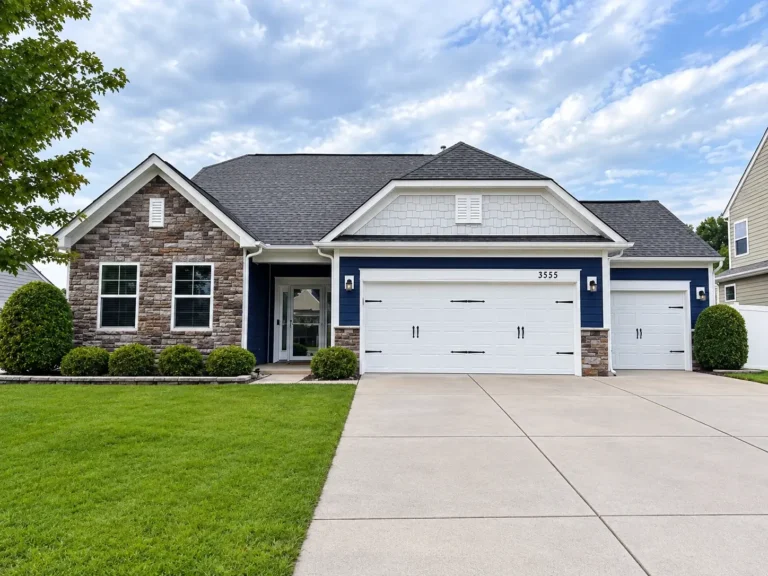
A deeper, grayer blue can add color without turning the exterior into a novelty.
Slate blue, muted navy, and historically influenced blue tones are easier to pair with traditional architecture than bright coastal blues. Cream trim, brick steps, dark shutters, and bronze-toned details can all sit comfortably beside them.
For a Charlotte home with strong architectural detail, the muted quality is usually what keeps the color convincing.
10. High-Contrast Trim
Some of the most noticeable exterior changes come from the relationship between colors rather than the body color alone.
Warm white with charcoal, sage with cream, or taupe with black can make windows, fascia, columns, and other architectural details easier to read from the street.
Too much contrast can make a home look busy. If the siding, trim, shutters, garage, and front door all use strong colors, the exterior may start to feel disconnected.
Which Exterior Color Works Best for Your Charlotte Home?
Start with what you are not changing.
- If the house has red brick, warm white, taupe, muted green, and some charcoal tones may be worth testing.
- A brown roof often points toward cream, beige, brown-based neutrals, or earthy green.
- A black roof leaves more room for off-white, blue-gray, and deeper exterior colors.
Brick deserves particular attention because its undertone can steer the whole palette. Homeowners considering a larger color change can also review the differences involved in painting exterior brick before deciding whether the masonry should remain part of the existing scheme or become part of the repaint.
None of those pairings should be treated as automatic rules. Brick varies. Roofing varies. Even two houses painted the same color can look different because one receives direct western sun while the other sits under mature trees.
A paint color consultation can also help narrow the options by looking at the home’s architecture, fixed finishes, landscaping, and the way sunlight hits different elevations.
Before Choosing Your 2027 Exterior Paint Color
Roofing, brick, stone, windows, and other permanent features should narrow the palette before trend forecasts do.
Once you have two or three candidates, test them outside rather than relying on digital renderings or sample cards alone. Check any applicable HOA color requirements as well.
Then ask one useful question: if this color stops appearing on trend lists in two years, will it still make sense with the house?
That tends to produce a better exterior than choosing a shade solely because it is having a moment.
Frequently Asked Questions
What is the most popular exterior house color for 2027?
There is no single verified “most popular” exterior color for all Charlotte homes. Warm neutrals, including off-whites, taupes, creams, and earthy beige tones, are expected to remain prominent in 2027 color palettes.
What exterior colors improve curb appeal?
Colors that work with the roof, brick, stone, trim, and architectural style usually create a more coherent exterior than a fashionable color chosen in isolation. Warm whites, taupes, muted greens, and subdued blues are versatile places to start, but each should be tested against the home’s fixed materials.
Should exterior paint be lighter or darker in Charlotte?
Either can work. Lighter colors often create less visual weight and can suit traditional architecture, while darker colors emphasize form and contrast. Sun exposure, roof color, surrounding shade, and the scale of the house should influence the choice.
What exterior colors work best with red brick?
Warm white, cream, taupe, muted green, and some charcoal shades can coordinate well with red brick. The brick’s own undertone is the deciding factor. Orange-red brick and cooler burgundy brick will not necessarily work with the same paint color.
How many exterior paint colors should a house use?
Many homes can be handled effectively with a main body color, a trim color, and, where the architecture supports it, a separate accent for doors or shutters. More colors are possible, but every added color creates another relationship that has to be resolved across the façade.