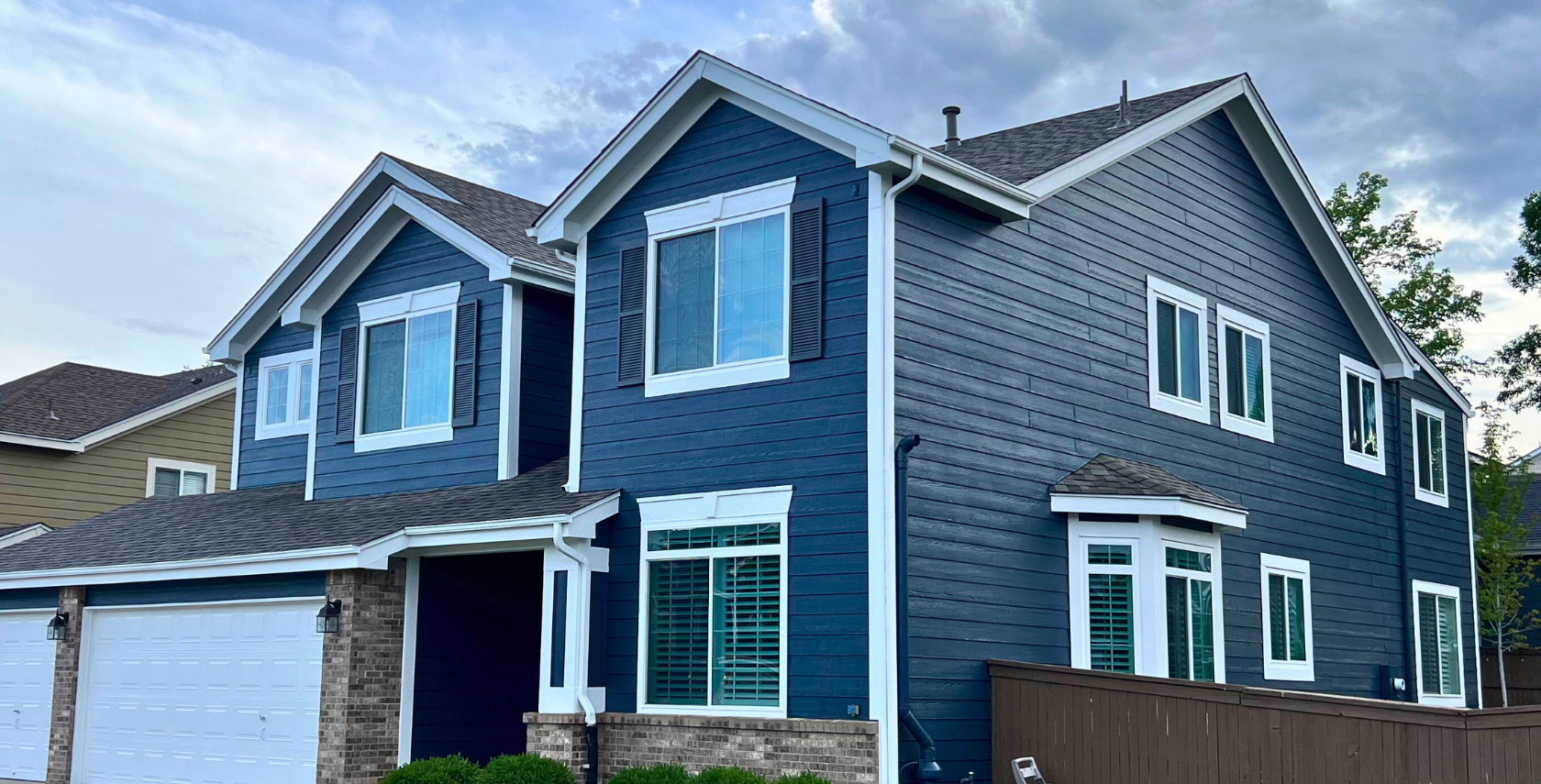
Why Exterior House Painting Is Essential for Protecting Your Concord, NC Home From Sun, Rain, and Heat
If you own a home in Concord, Kannapolis, Harrisburg, Midland, or anywhere across Cabarrus County, your exterior surfaces take a serious beating every year. Between scorching summer temperatures, high humidity, heavy seasonal rain, and the relentless UV exposure that comes with a North Carolina climate, your home’s exterior is working hard around the clock to keep moisture, heat, and decay from creeping in.
Exterior house painting is one of the most practical investments you can make to protect that barrier. A quality paint job does far more than improve curb appeal — it seals wood and other materials against weather damage, slows deterioration, and saves you from costly repairs down the road. This article breaks down exactly why exterior painting matters for homes in this region and what happens when maintenance gets pushed off too long.
Call Today for a Quote 704-270-5868
The Concord Climate Is Hard on Exterior Surfaces
Concord and the surrounding Cabarrus County area sit in the Piedmont region of North Carolina, where summers are long, hot, and humid. Average July temperatures regularly reach into the low 90s, and the combination of direct sun exposure and high moisture in the air creates conditions that accelerate the breakdown of exterior finishes.
UV radiation is particularly damaging. When sunlight hits unprotected or poorly coated surfaces day after day, it breaks down the chemical bonds in paint, causing fading, chalking, and cracking. South-facing and west-facing walls typically show wear first because they receive the most direct afternoon sun exposure.
Rain adds another layer of stress. The Piedmont receives around 44 inches of rainfall per year on average, much of it falling in intense summer storms. Water that finds its way into cracks in aging paint, gaps around trim, or along the edges of siding can work its way into wood substrates and lead to rot, mold, and structural damage that goes well beyond a fresh coat of paint to fix.
Humidity compounds both problems. Even on days without rain, elevated moisture levels in the air keep exterior wood and painted surfaces damp for extended periods. This creates ideal conditions for mildew growth on siding, shutters, and trim — especially in shaded areas around your home.
What Exterior Paint Actually Does for Your Home
Many homeowners think of exterior paint primarily as a cosmetic finish. In reality, paint is a protective coating engineered to act as a barrier between your home’s structural materials and the environment outside.
A properly applied coat of quality exterior paint performs several functions simultaneously:
Moisture Resistance: Paint seals the surface of wood siding, trim, fascia boards, and doors, preventing water absorption. When wood absorbs moisture repeatedly, it swells and contracts with temperature and humidity changes, eventually leading to cracking, splitting, and rot. A well-maintained paint film interrupts that cycle.
UV Protection: Quality exterior paints contain pigments and additives specifically designed to block or reflect UV radiation. This slows fading and protects the underlying material from the drying and cracking that sun exposure causes over time.
Mildew and Mold Resistance: Many premium exterior paints include mildewcide additives that inhibit the growth of mold and mildew on the surface. For homes in the Concord and Kannapolis area, where summer humidity stays high for months, this is a meaningful benefit.
Thermal Protection: Paint helps reflect some solar heat away from your home’s exterior. Lighter-colored paints reflect more heat, which can reduce the thermal load on exterior siding and help moderate interior temperatures near exterior walls.
Adhesion and Sealing: At its most basic level, paint fills micro-pores and small surface irregularities in wood and other materials, creating a sealed surface that sheds water rather than absorbing it.
What Happens When Exterior Paint Breaks Down
Paint doesn’t last forever, and the conditions around Concord shorten its effective lifespan faster than in milder climates. Most exterior paint jobs in this region need attention every 7 to 10 years at a minimum, and surfaces with heavy sun or moisture exposure may need repainting sooner.
When paint begins to fail, the warning signs are visible. Peeling occurs when paint loses adhesion to the surface beneath it, often because moisture has worked its way in from behind or because the original application was done over inadequately prepared or already deteriorating paint. Cracking and checking appear as paint dries out and becomes brittle from UV exposure, allowing water entry. Fading signals that the UV-blocking properties of the paint have been depleted. Chalking — a white, powdery residue on the surface — indicates the paint binder has broken down from sun exposure.
Beyond the visible signs, failing paint means the underlying wood is now exposed. For homes with wood siding, fascia boards, window trim, or exterior doors in the Mount Pleasant and Midland areas, exposure to North Carolina’s wet summers can lead to wood rot within one to two seasons if moisture reaches unprotected material. Wood rot is not a cosmetic issue — it is a structural one that requires replacement of damaged boards before any repainting can be done effectively.
Mildew and mold growth on failing paint surfaces are also common in this region. Left untreated, they spread across siding and trim, staining the surface and creating health concerns if spores work their way into the home through gaps and penetrations.
Long-Term Maintenance Savings
One of the most straightforward arguments for keeping up with exterior painting is the cost comparison between routine maintenance and deferred repairs.
A professional exterior paint job on an average-sized home in the Concord area represents a meaningful but manageable investment. Replacing rotted fascia boards, siding sections, or trim throughout a home that has been neglected for years can cost several times that amount — and that’s before factoring in any painting that still needs to follow the repairs.
Consistent painting maintenance also helps you avoid larger problems that cascade from water intrusion: insulation damage, interior moisture issues, window frame damage, and in serious cases, framing deterioration that requires a contractor to address.
Homeowners in Harrisburg, Kannapolis, and Cabarrus County communities who keep up with exterior painting on a reasonable schedule typically spend far less over a 20-year period than those who wait until failure is obvious before acting. Paint is a relatively low-cost protective barrier. Structural repairs are not.
Choosing the Right Time to Paint in the Concord Area
Timing matters in North Carolina. Exterior painting requires temperatures generally above 50°F and below 90°F, with low humidity and no rain in the forecast. Spring and fall are typically the best seasons for exterior painting in this region — conditions are moderate, humidity is lower, and paint has time to cure properly before the intense summer heat arrives or winter cold sets in.
That said, a professional painter with experience in the Concord area will know how to work with local seasonal conditions and select products suited to the climate — paints with stronger UV inhibitors, mildewcide additives, and formulations that flex with temperature changes rather than cracking.
Protecting Your Home Starts With the Exterior
For homeowners across Concord, Kannapolis, Harrisburg, Midland, Mount Pleasant, and the broader Cabarrus County area, exterior painting is not optional maintenance — it is an active form of protection against a climate that will wear down any home’s exterior over time. UV exposure, rain, heat, and humidity don’t pause, and neither should your approach to protecting your home’s surfaces.
A quality exterior paint job, applied correctly and on schedule, keeps moisture out, slows deterioration, prevents rot, and extends the life of your siding, trim, and structural materials by years. If your home’s exterior is showing signs of peeling, fading, or mildew, or if it has been seven or more years since the last paint job, now is the right time to evaluate your options and schedule an exterior painting assessment with a local professional.
Call Today for a Quote 704-270-5868
Learn more about Color World Painting Charlotte.